Department at a Glance
| Detail | Information |
|---|---|
| Programme | B.E. Civil Engineering — 4 Years |
| Affiliation | RTMNU, Nagpur — Code 315 |
| Approval | AICTE — DTE Code EN04144 |
| Institution Grade | NAAC A Grade, Score 3.05 (2025–2030) |
| Annual Intake | 60 Students |
| Currently Enrolled | ~185 Students |
| Faculty Strength | 12 Members — 160+ Publications, 27+ Books |
| Laboratories | 9 Dedicated Civil Engineering Labs |
Pick any civil engineering student from Vidarbha who got placed well, and ask them what mattered most about their college. Rarely will they say the college brochure. It is usually something specific — a professor who pushed them harder than they expected, a lab where they actually worked with real instruments, a site visit where they saw what a working project looks like. NIT Nagpur’s Civil Engineering department has been built around exactly those specifics since 2010-11.
The department runs a B.E. Civil Engineering programme affiliated to Rashtrasant Tukadoji Maharaj Nagpur University (RTMNU) and approved by AICTE. With 60 seats per year and around 185 students currently on roll across four years, the batch size stays manageable. Students are not competing for lab slots or waiting three weeks to get faculty feedback.
A Faculty That Publishes, Researches, and Still Teaches
Dr. Abdul Ghaffar heads the department — Ph.D. in Civil Engineering, M.E. in Structural Engineering, 16 years of teaching, and active memberships in ISTE and IEI. Twelve faculty members cover every major specialisation: structural, geotechnical, transportation, and environmental engineering. Between them, the department has produced over 160 published research papers and 27 books.
A few numbers worth noting:
- Prof. Nikhil Maske — 30 published papers, 13 years of teaching experience
- Dr. Amit Kharwade — Ph.D. in Environmental Engineering, 22 publications
- Prof. Gopal Dhanjode — 23 published papers in Structural Engineering
- Dr. Jaicky Gurnani — 18 publications, 4 books, Ph.D. in Civil Engineering
This matters because research-active faculty do not teach from outdated notes. They teach from what the profession is actually doing right now.
9 Laboratories — All Named, All Operational
Students from Nagpur, Amravati, Wardha, Yavatmal, and across the Vidarbha region have full access to nine civil engineering labs without travelling to Pune or Mumbai. Each lab has specific equipment, not just a list of instruments on a notice board.
| Laboratory | Key Equipment & Focus Areas |
|---|---|
| Surveying Lab | Theodolite, dumpy level, total station, compass — terrain mapping and layout preparation |
| Strength of Materials Lab | Concrete, steel, wood and composite testing under varied loading conditions |
| Structural Analysis Lab | Prototype and model testing, internal force and deformation analysis |
| Transportation Engineering Lab | Traffic surveys, pavement testing, planning and design software |
| Geotechnical Engineering Lab | Soil and rock behaviour, foundation and slope analysis |
| Computer Applications Lab | AutoCAD, STAAD Pro, MATLAB, ANSYS |
| Fluid Mechanics Lab | Flow meters, pressure gauges, pumps, turbines, flumes |
| Environmental Engineering Lab | Atomic absorption spectrometer, gas chromatograph, ion chromatograph, real-time PCR |
| Concrete Technology Lab | Compression testing machines, rebound hammer, ultrasonic pulse velocity equipment, core drilling machine |
Industry Exposure Through CESA
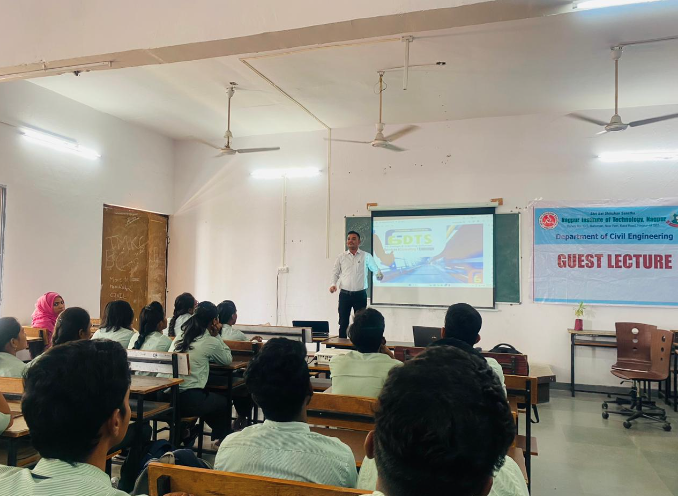
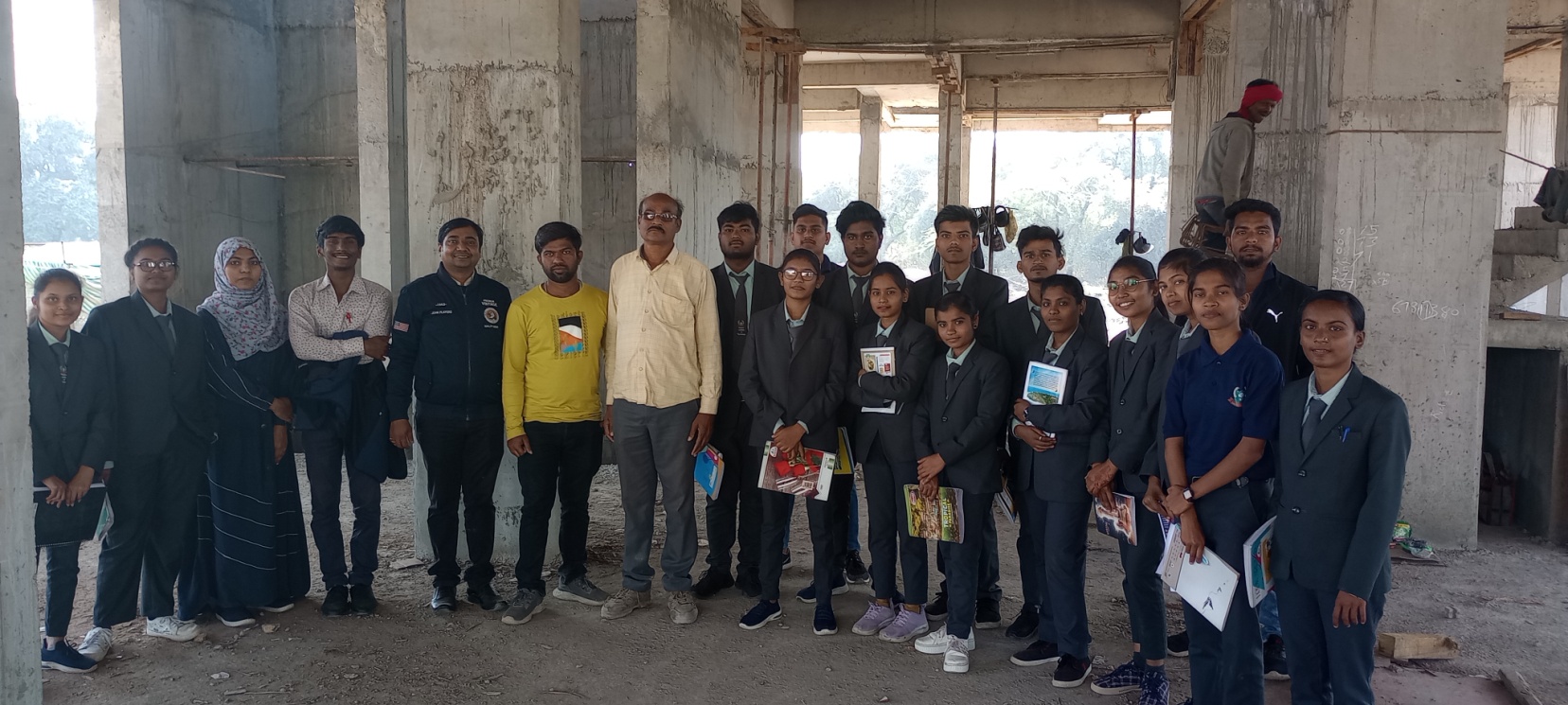
The Civil Engineering Students Association at NIT Nagpur runs a working calendar — not a ceremonial one. Site visits happen at active Nagpur construction projects: Shri Renuka Infra LLP at Zafar Nagar, Creative Homes Green Villa Phase II at Gorewada Square, and NEERI Nagpur. Guest lectures cover BIM modelling, sustainable development, and current civil engineering software — topics that show up in actual job interviews, not just semester papers.
Nagpur is expanding fast. Metro connectivity, MIHAN logistics, residential and infrastructure growth across the city — all of it needs civil engineers who know what they are doing from Day 1. Students looking for the best colleges for civil engineering in Nagpur, or comparing top civil engineering colleges across Maharashtra and the Vidarbha region, will find that NIT Nagpur’s combination of NAAC A Grade institutional standing, research-active faculty, nine operational labs, and focused batch size is difficult to match within the region.
Civil Engineering is the broadest and age-old engineering profession concerned with the overall human interface and traditionally nomenclature as “An art, on which the wealth and the well-being of the entire society depends” It inculcates into the person, the power of imagination to fashion the basic infrastructure & services that every citizen needs with a tangible approach towards sustainable physical and natural environment. Understanding the importance and need of this profession. The Nagpur Institute of Technology, Nagpur, established the Department of Civil Engineering from the Academic Session 2010-11 with an intake capacity of 60 students. Presently, about 185 students are on roll. The department aims at the providing quality education, practical teaching, case studies, field visits and promotion of research activities amongst the students through industrial tie-ups.
Vision
To foster Civil Engineering graduates by imparting quality technical education through need based technical skills with ethical values
Mission
- To provide quality initiatives in skill-based teaching learning process to improve technical knowledge in Civil Engineering.
- To enhance intellectual capital of stakeholders by providing research and innovation avenues and improved industry interactions
- To increase societal connect for need based problems through extra-curricular activities
Program Outcomes (UG)
- Engineering knowledge: Apply the knowledge of mathematics, science, engineering fundamentals to the solution of engineering problems.
- Problem analysis: Identify, formulate, review literature, and analyze complex engineering problems using first principles of mathematics, natural sciences, and engineering sciences.
- Design/development of solutions: Design solutions for complex engineering problems and design system components or processes that meet the specified needs with appropriate consideration for the public safety, societal and environmental considerations.
- Conduct problem investigations: Use research-based knowledge including experimentation, analysis and interpretation of data, and synthesis of the information to provide valid conclusions.
- Modern tool usage: Select, and apply appropriate techniques, resources, and modern engineering and IT tools for analyzing the engineering activities with an understanding of the limitations.
- The engineer, industry and society: Apply contextual knowledge to assess industrial, societal and safety related issues and understand consequent relevance to the professional engineering practice.
- Environment and sustainability: Understand the impact of the professional engineering solutions in societal and environmental contexts, and demonstrate the knowledge of, and need for sustainable development.
- Ethics: Apply ethical principles and commit to professional ethics and responsibilities and norms of the engineering practice.
- Individual and team work: Function effectively as an individual, and as a member or leader in diverse teams, and in multidisciplinary settings.
- Communication: Communicate effectively on complex engineering activities such as, being able to understand and write effective reports, make effective presentations, and give and receive clear instructions.
- Project management and finance: Demonstrate knowledge and understanding of the engineering and management principles and apply these to one’s own work, as a member and leader in a team in multidisciplinary environments.
- Life-long learning: Recognize the need for, and have the preparation and ability to engage in independent and life-long learning in the broadest context of technological change.





Dr. Abdul Ghaffar
Professor And Head
B.E. (Civil), M.E.(Structures), PhD Years of Experience: 17 Publications: 25

Dr. Sudhir Kapgate
Assistant Professor
B.E(CIVIL), M.Tech (Structural Engineering),Phd Years of Experience: 16 Publications: 15

Prof. Chetan Gawali
Assistant Professor
B.E(CIVIL), M.Tech (Transportation Engineering) Years of Experience: 08 Publications: 10

Prof. Prerana Salodkar
Assistant Professor
B.E(CIVIL), M.Tech (Geotechnical Engineering) Years of Experience: 11 Publications: 12
Prof. Gopal Dhanjode
Assistant Professor
B.E(CIVIL), M.Tech (Structural Engineering) Years of Experience: 10 Publications: 21
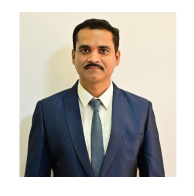
Dr. Amit M Kharwade
Assistant Professor
B.E(CIVIL), M.Tech (Environmental Engineering), PhD in Civil Engineering Years of Experience: 10 Publications: 19

Prof. Nikhil Maske
Assistant Professor
B.E(CIVIL), M.Tech (Structural Engineering), PhD Pursuing in Civil Engineering Years of Experience: 13 Publications: 40
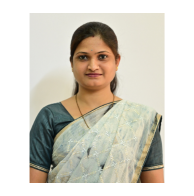
Prof. Diksha Menghare
Assistant Professor
B.E(CIVIL), M.Tech (Structural Engineering) Years of Experience: 05 Publications: 05

Prof. Prof. Neha Khan
Assistant Professor
B.E(CIVIL), M.Tech (Transportation Engineering) Years of Experience: 03 Publications: 02

Prof. Ashwini Sawaitul
Assistant Professor
B.E(CIVIL), M.Tech (Geotechnical Engineering). Years of Experience: 06 Publications: 02

Dr. Idris Ahmed
Assistant Professor
PhD,Mtech,Btech,DCE Years of Experience: 11 Publications: 02
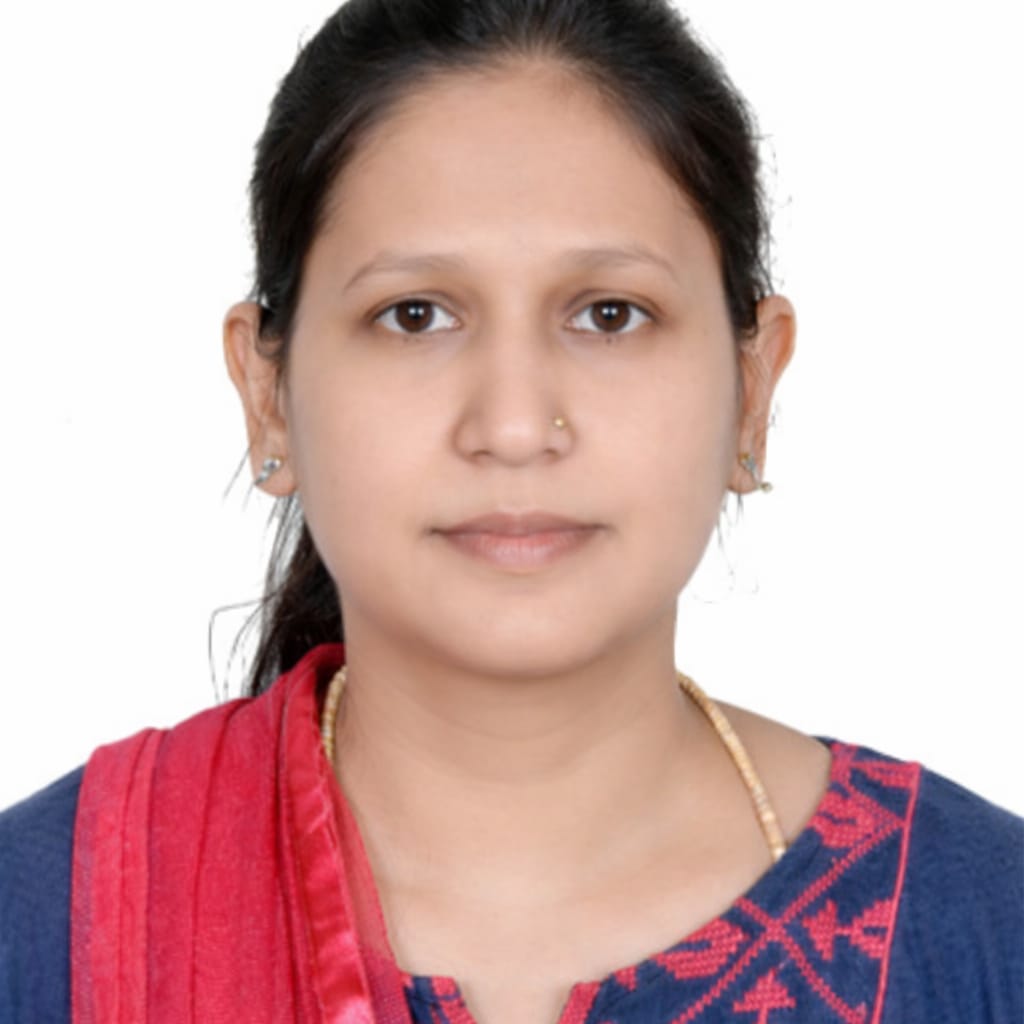
Prof. Tina zungare
Assistant Professor
Mtech,Btech Years of Experience: 05 Publications: 05


“Student Forum Installation”

Skill Development Program

Teachers Day Celebration

Engineers Day Celebration

BRIDGE-IT
Fresher's Party

Farewell
BRIDGE-IT
Aagaz
Project Competition

Shri Renuka Infra LLP Site, Zafar Nagar, Nagpur

Shri Renuka Infra LLP Site, Zafar Nagar, Nagpur

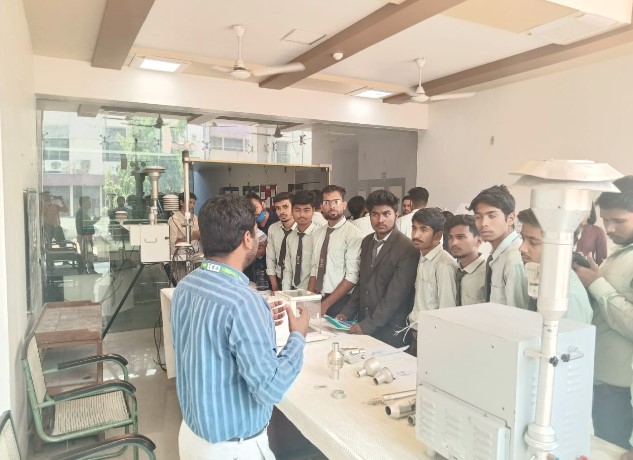


Recent Power Tools Used in Civil Engineering
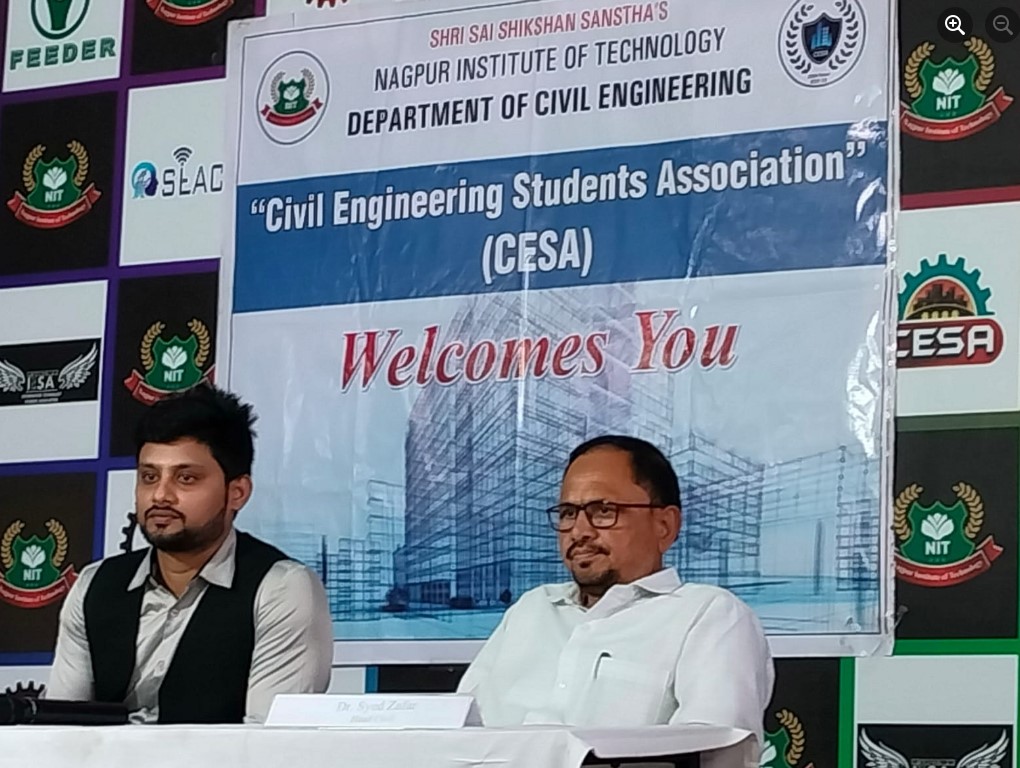
Carrier Guidance on Civil Engineering Softwares

"Carrier Guidance on Civil Engineering Softwares

Latest Trends in Environmental Engineering
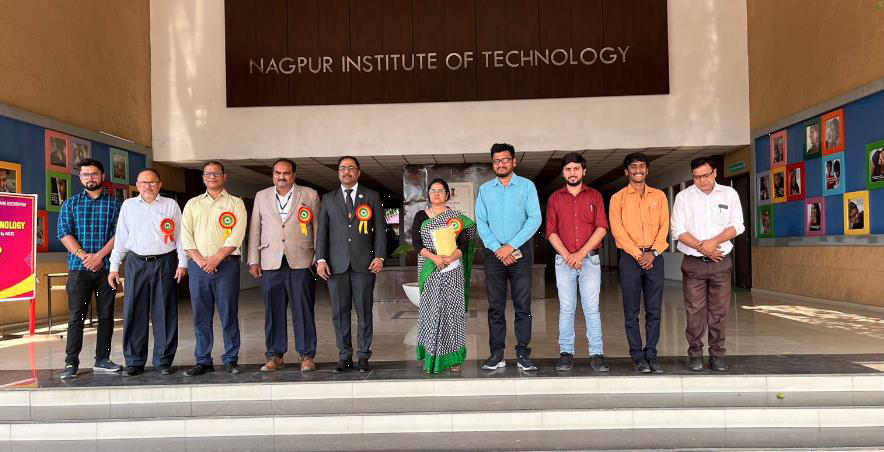
Expert talk on Sustainable Development & Posco act.